


The Best Way To Transport Freight: Methods, Tips, and Efficiency
Key Freight Transport Methods
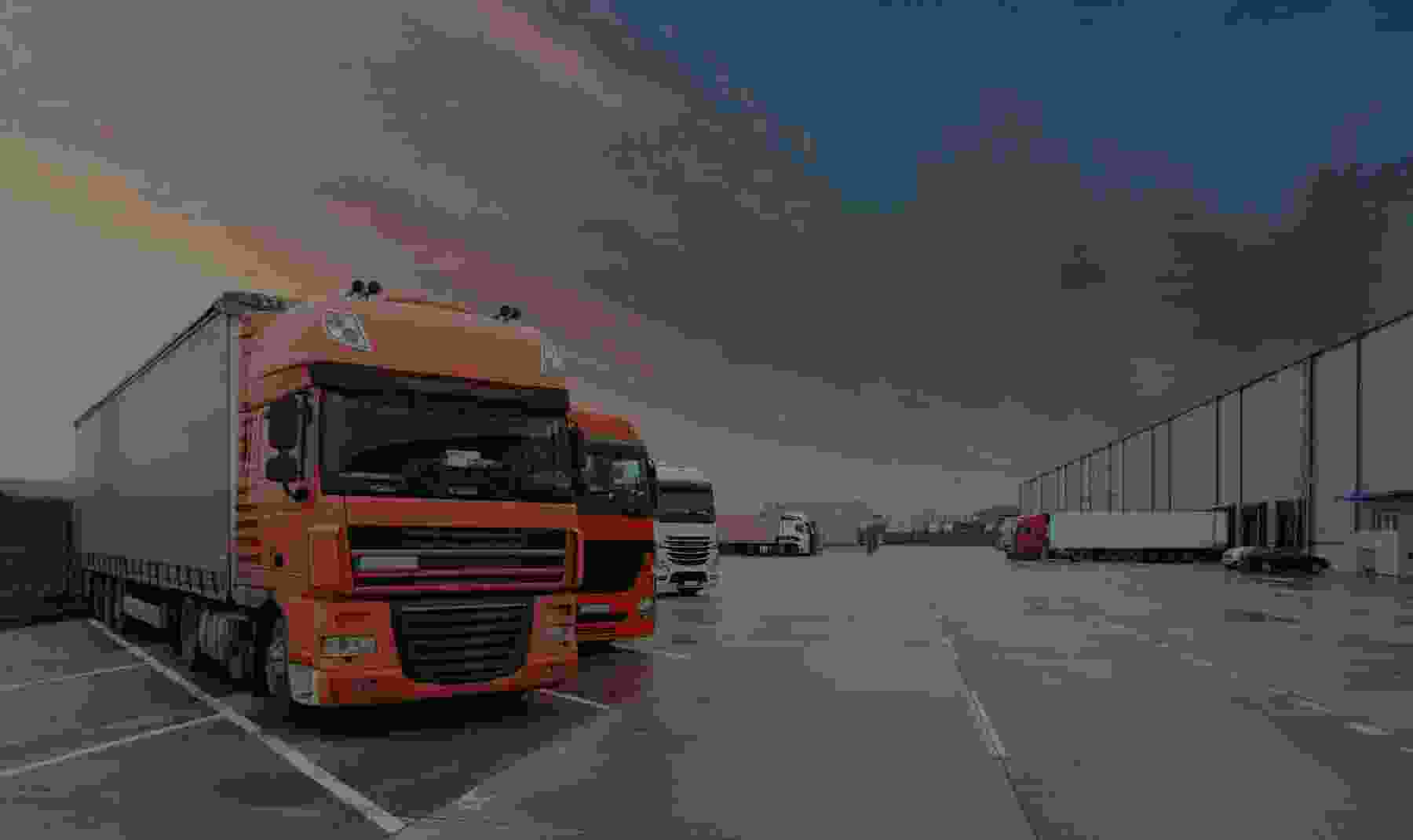
1. Road Freight
Ideal for short to medium distances and door-to-door delivery.
Flexible routes and schedules.
Best for small to medium-sized shipments.
Example: Transporting electronics or retail goods from a warehouse to multiple stores in a city.
2. Rail Freight
Efficient for large, heavy shipments over long distances.
Cost-effective and environmentally friendly.
Limited to locations near railway networks.
Tip: Bulk commodities like coal, grains, or chemicals are often transported via rail.
3. Air Freight
Fastest method for long-distance shipments.
Suitable for urgent or high-value cargo.
Higher cost compared to other methods.
Example: Shipping perishable food, medical supplies, or electronics internationally.
4. Sea Freight
Ideal for international shipments and large volumes.
Cost-efficient but slower than air transport.
Requires knowledge of customs and port handling procedures.
Tip: Containerized shipping is commonly used for goods like machinery, textiles, and raw materials.
Factors to Consider When Choosing a Freight Method
- Delivery Speed: How quickly the cargo needs to reach its destination.
- Cargo Type: Perishable, fragile, oversized, or hazardous goods require specialized handling.
- Cost Efficiency: Balancing speed and budget for optimal logistics
- Distance and Accessibility: Proximity to ports, railways, or road networks affects the choice.
- Reliability and Safety: Minimizing damage, theft, and delays is crucial for customer satisfaction.
Best Practices for Efficient Freight Transport
- Consolidate shipments to reduce cost and handling.
- Track shipments using modern GPS and freight management tools.
- Work with reliable logistics partners with experience in your cargo type.
- Plan routes and schedules to avoid delays, congestion, or weather disruptions.
- Ensure proper packaging and labeling to protect goods during transit.